
Buying on the Miles River? How the Critical Area Can Cloud Your Title (and Your Building Plans)
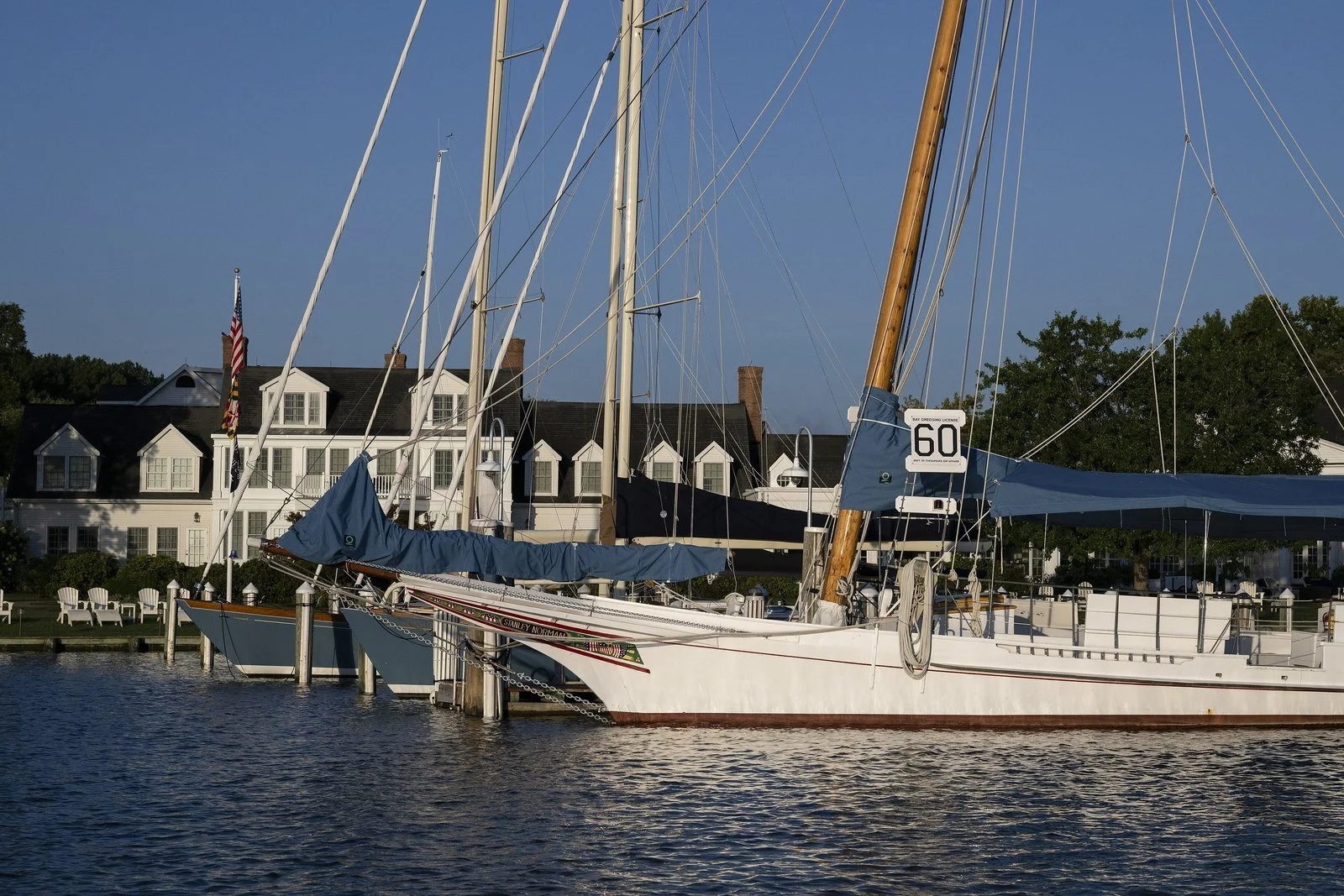
Photo: The skipjack Stanley Norman at St. Michaels on the Miles River. Credit IPC123, CC BY-SA 4.0, via Wikimedia Commons.
If you are buying waterfront property in Talbot County, whether in St. Michaels, Oxford, or anywhere along the Chesapeake Bay tributaries, you are buying land inside Maryland's Critical Area.
The designation dates to the Critical Area Act of 1984 and covers land within 1,000 feet of tidal waters and wetlands. It controls far more than most buyers expect, from adding a shed to paving a driveway to clearing a view.
For a buyer, the real title question is not only who owns the land. It is what you are legally allowed to do with it.
Why a clear deed is not the whole answer
A title search can come back clean and still leave a buyer exposed on land use. Two problems show up on the Eastern Shore more often than most people realize.
An undeclared buffer violation. A prior owner cleared brush, added a patio, or enlarged a footprint inside the Critical Area buffer without approval. Nothing about that appears in a standard title search, because it never made it into the land records. It surfaces later, when you apply for a permit and the county pulls the file.
A Critical Area easement or notation. Some deeds and plats carry restrictions tied to the buffer or to a conservation easement. If the easement was recorded, the search will find it. The question is whether anyone explains what it means for the addition you are planning.
What the buffer actually restricts
In general terms, Maryland's Critical Area program establishes a buffer along tidal waters and wetlands, and Talbot County administers the program locally. Work inside the buffer typically requires approval, and some projects require a variance from the county. The rules vary by the property's soil categories and by the specific county program, which is exactly why a general answer from a website is not enough for a specific parcel.
There is also a disclosure requirement in Maryland real estate transactions regarding whether a property lies in the Critical Area. That disclosure is a starting point. It is not a substitute for reading the deed, the plat, and the county file.
What we do differently
Our settlement process goes beyond a standard search to look at the property's actual use rights, not just the chain of ownership. On waterfront parcels we review the deed, any recorded plats, and the vesting history, and we flag anything that could limit what you are allowed to build. When something needs a closer look, we say so before you sign, not after you have hired a contractor.
If you are already under contract
Ask us to review the deed and the plat before your contingency period ends. If the property has an existing dock, a bulkhead, or a buffer improvement, ask for the permits. A seller who cannot produce them is telling you something worth knowing.
Buying on the water is the reason many of us live here. It should not be the reason you end up in a permitting dispute two years after settlement.
Call us at 410.820.4426 and we will review your waterfront parcel before you commit.